Burt combines emergency services
By Briana Rupel
Beacon Correspondent
The 433 registered voters of Burt Township will have a chance to vote Aug. 4 on a combined millage for emergency services.
Three separate millages for fire response, law enforcement and ambulance services were approved previously, but Burt Township Clerk Lori McShane said that for this election, the township board decided to combine them, primarily for flexibility in how the money is spent.
“We just lumped it together so we wouldn’t be pigeonholed into what goes where,” McShane said. “Now it’s all in emergency services, and we can make choices to [spend] where it’s needed most and where we get the best bang for our buck.”
While Alger County now oversees Burt Township ambulance services and incurs much of that cost, Burt Township’s current millage covers such things as travel and tuition expenses for much-needed new recruits, yearly bonuses to the volunteer staff and savings for a new ambulance.
“The ambulance itself is owned by the township,” said Alger County Commissioner Bob Hughes, who is a paramedic with the Burt Township ambulance corps. “I know Alger County’s been picking up the repair bills, and the gas costs, but … it’s important that the millage for the township be passed because there are still ongoing costs — the building, the heat, the training facility.”
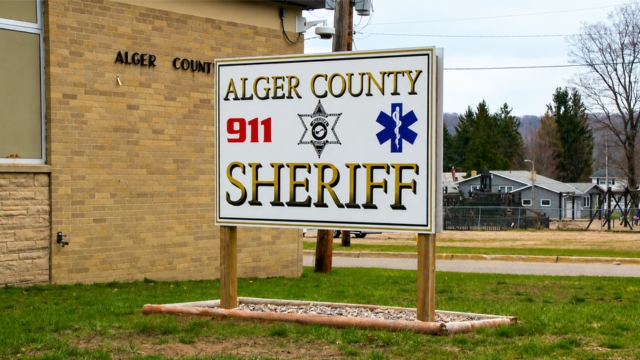
Four years ago, a separate millage passed for extended law enforcement coverage in Burt Township from the Alger County Sheriff’s Office.
“The sheriff has not been able to meet our needs,” McShane said. “They are understaffed; they don’t have the people for road patrol. Whenever they try to send somebody over here, it’s inevitable that they get called away for an accident or something else. So, the money that we’re collecting for law patrol — once you collect it on a certain millage, you’re bound to spend it on that. And he has not been able to provide us services to spend all that money.”
McShane said passing this combined millage would then allow that money typically locked in toward the sheriff’s office to be put toward fire or ambulance needs.
Hughes pointed out that aiding the county for local patrols is nothing new.
“Back when I was a resident deputy starting in 1980, the township supplemented the county to keep a deputy up here,” Hughes said. “It’s something that — if you’re going to have any kind of increased law enforcement presence — you’ve got to help supplement the county’s budget for it.”
McShane said being so remote is a challenge.
“We are over here on our own little outpost, so it is so important that we have our own fire people respond, our own ambulance respond,” McShane said. “Everything is going up. … We have to be able to buy them new turnout gear, new masks and air compressor tanks, and there are just endless costs.”
McShane stressed the importance of showing up for local elections.
“People complain about taxes, but you are receiving more benefits from your local taxes than you do from the [federal] government,” McShane said. “This is your hometown. This is where you live. And you have more say if you vote.”