Benson, Brinks outline plans for rural Michigan, U.P. economy
Michigan gubernatorial candidate Jocelyn Benson and running mate Winnie Brinks discuss their plans for the Upper Peninsula, focusing on affordability, rural health care, education and year-round economic opportunities.
Michigan gubernatorial candidate Jocelyn Benson and her running mate, Winnie Brinks, say affordability, education and economic opportunity will be central to their plans for the Upper Peninsula, where seasonal employment, rising living costs and access to services present challenges for rural communities.
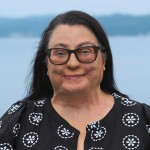
Benson, Michigan’s secretary of state, and Brinks, the first woman to serve as Michigan Senate majority leader, outlined their priorities for rural communities. Brinks met with The Munising Beacon in person at Gallery Coffee Co. in Munising to discuss the Democratic ticket’s plans for the Upper Peninsula.
Both identified year-round employment and retaining young families as important goals.
“I’m running for governor to make sure government shows up when you need it, saves you time and money, and then gets out of the way,” Benson said.
Her economic development proposals include expanding career and technical education, offering tuition-free college or trade school, encouraging businesses to invest in workers and reducing regulatory barriers to growth.
Brinks said rural communities need economic opportunities beyond seasonal tourism, along with resources to help small businesses succeed.
“I think the key is to have some balance in the economy in places like the U.P. and, frankly, in northern Lower Michigan as well,” Brinks said.
She noted that entrepreneurs in smaller communities may lack access to the business networks and support organizations available in larger cities. Workforce training, she said, could also help attract employers seeking qualified workers.
On affordability, Benson proposed encouraging affordable housing construction, addressing corporate investors who drive up housing costs and making health care more affordable.
Her proposals include a $5,000 caregiver tax credit, greater transparency in medical billing and efforts to reduce energy costs.
Brinks acknowledged the additional financial pressures facing U.P. residents, including transportation expenses, distances between grocery stores and homes, and winter heating bills.
“Everything has to travel just a little bit farther to get here, and so just on gas price alone, that makes things more difficult,” she said.
Brinks said policies must account for those geographic differences rather than treating every Michigan community alike.
Health care was another shared priority.
Benson pledged to defend funding for rural medical facilities and improve access to care. She also proposed a school funding approach intended to provide more equitable resources for districts throughout Michigan.
Brinks pointed to the importance of Medicaid in communities where seasonal employment can make consistent access to health coverage difficult.
She discussed supporting rural hospitals, expanding telemedicine and addressing challenges in recruiting medical professionals.
Brinks said the cost of professional education can make it difficult for smaller communities to attract physicians and other qualified workers. She supported continued state investments to address those challenges.
Education also figured prominently in both interviews.
Benson called for universal prekindergarten, additional career and technical education opportunities and increased educator support.
Brinks said education funding should reflect the differing needs of individual districts rather than relying on a uniform approach.
“Students here may need something a little different than they need in Grand Rapids, where I represent, or than they need in Jackson,” she said.
She also supported postsecondary training beyond traditional four-year degrees, including skilled trades and professional credentials.
Asked why she chose to run alongside Benson, Brinks described Benson’s executive experience and her own legislative background as complementary.
“She doesn’t have the legislative experience, but she’s got the executive experience,” Brinks said. “Combining those two things will really help us move a legislative agenda, a positive budget and really get to work on making government work better.”
Both candidates addressed concerns that the U.P.’s smaller population can leave rural communities with less influence in Lansing.
Benson, who said she has family in Marquette, pledged to include Upper Peninsula perspectives in her administration.
“I promise that the U.P. will always have a seat at the table in my administration,” she said.
Brinks acknowledged the challenge of representing less-populated regions in a Legislature apportioned by population. She said lawmakers must take concerns from other districts seriously, even when those issues differ from their own communities’ priorities.
“Ultimately, what we can pledge is a listening ear and to be responsive to the best of our ability,” Brinks said.
The candidates outlined an approach combining statewide policy proposals with attention to rural Michigan’s distinct circumstances, particularly affordable living, accessible services and opportunities for younger generations to remain in their hometowns.
The Munising Beacon also contacted the campaign of Republican gubernatorial candidate John James and his running mate, Jay DeBoyer, offering them the opportunity to answer the same questions presented to Benson and Brinks. As of publication, the campaign had not responded. Should responses be received, The Beacon will update this article and publish the additional information on its website.
Author